
Scaling Marine Biodiversity: Insights from a Trait-Based Framework

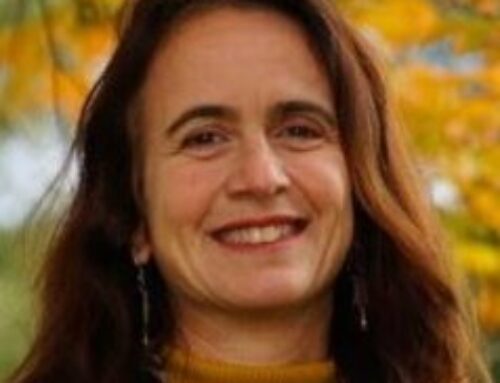
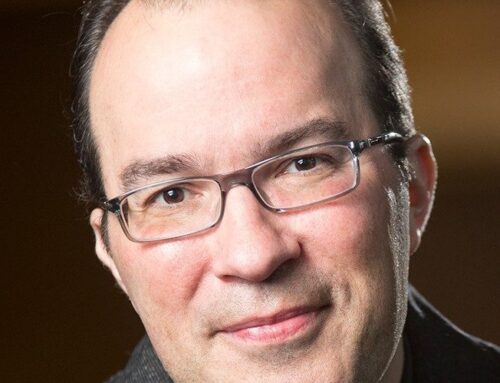
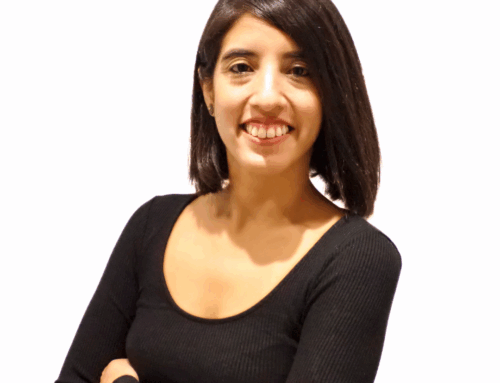
About the speaker: My research seeks to understand how ecological and evolutionary processes shape marine biodiversity across temporal and spatial scales. Working at the intersection of community ecology, macroecology, and biogeography, I focus on reef fish assemblages to uncover the mechanisms structuring biodiversity from local habitats to broad biogeographical regions. Using trait-based frameworks, spatial analyses, and large-scale datasets, I investigate how environmental gradients, historical processes, and species interactions drive community assembly and functional diversity. My work integrates theory and application, generating insights that advance our understanding of biodiversity patterns while informing conservation and management strategies in a rapidly changing ocean.