

Phylogenetic models of historical biogeography
Fully understanding how any species evolved involves knowing where it lived. As the complete biogeographic history for most lineages cannot be directly observed, biologists often use phylogenetic models to reconstruct ancestral species ranges and to infer regional rates of dispersal, speciation, and extinction. This talk will provide a brief overview for how phylogenetic models of biogeography are designed and how they function. We will then discuss findings from a paleogeographically informed analysis of Hawaiian Kadua (coffee family) to highlight the rewards and challenges intrinsic to modeling how life evolved in space over time.
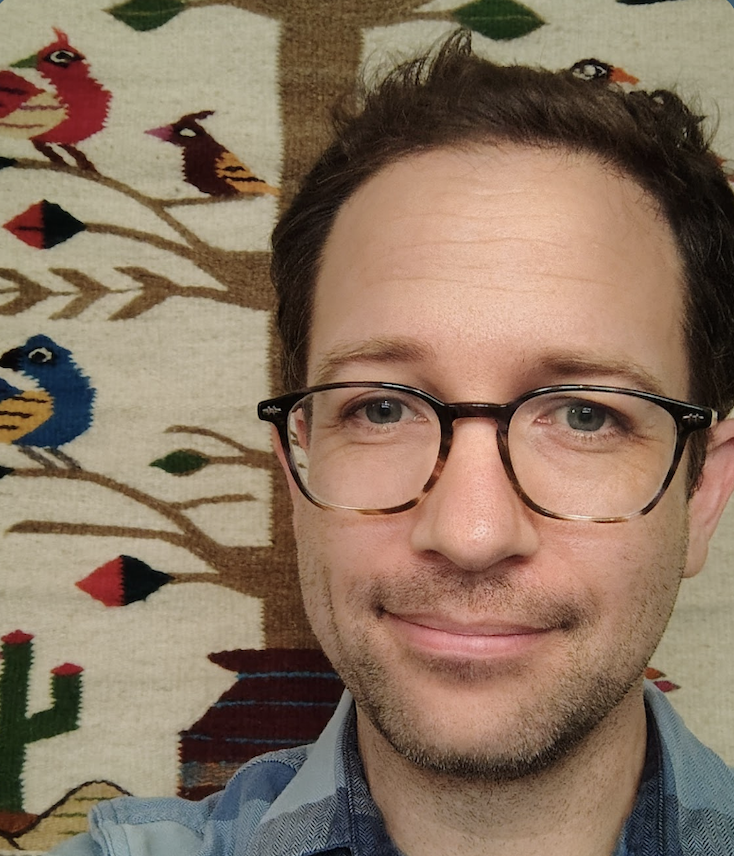
Michael Landis studies how life evolves and diversifies in space over time through the design of new phylogenetic models and inference methods. He is currently an assistant professor at Washington University in St. Louis.