

The origin and fate of megadiversity: A look from the northern Andes
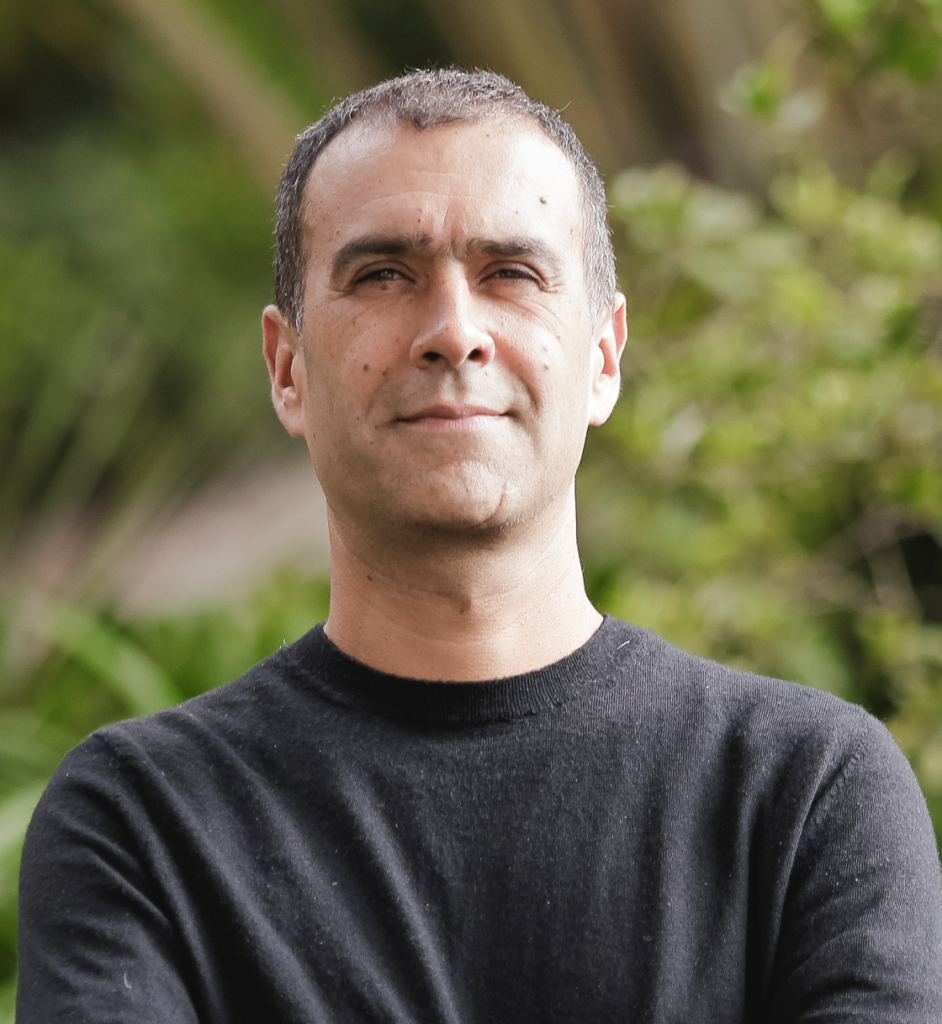
About the speaker: I am a naturalist, evolutionary biologist, and professor at Universidad de los Andes in Bogotá, Colombia. I study how species evolve, adapt, and diversify, especially in the tropics. Much of my work focuses on birds (and, currently, cave-dwelling fish), and I combine fieldwork, genomics, museum collections, and ecological modeling to explore the origins of biodiversity and how it is shaped by geography, climate, and evolutionary history.
Over the years, our group has published on topics ranging from natural history, adaptation, and speciation to various aspects of biogeography, the ecology and evolution of animal migration, and biodiversity conservation. One of our main projects at present is a national biodiversity survey that retraces the paths of early naturalists to understand how Colombia’s birds have responded to a century of environmental and cultural change.
In my role as Dean of the School of Sciences at UniAndes, I work with an extraordinary academic community committed to transforming lives through science. I’m passionate about sharing knowledge beyond academia and using science to help build more sustainable and equitable futures.